science
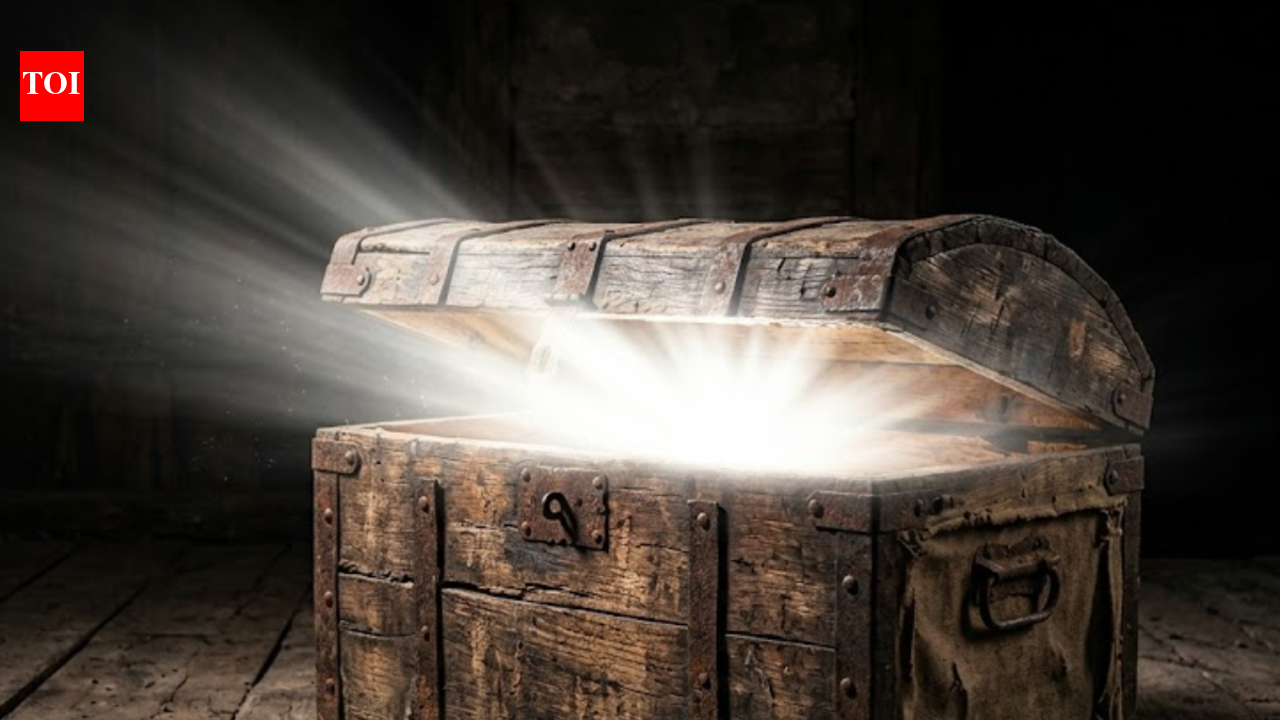
Poorton Coin Hoard Discovery: Farmhouse renovation uncovers buried wealth; English Civil War chaos explained
Renovating their English countryside home, Robert and Betty Fooks unearthed a 17th-century coin hoard. Buried during the English Civil War’s chaos, this “Poorton Coin Hoard” of gold and silver coins was a desperate act to safeguard wealth from “sequestration.” The discovery highlights a harrowing historical reality of survival and lost fortunes. Source link
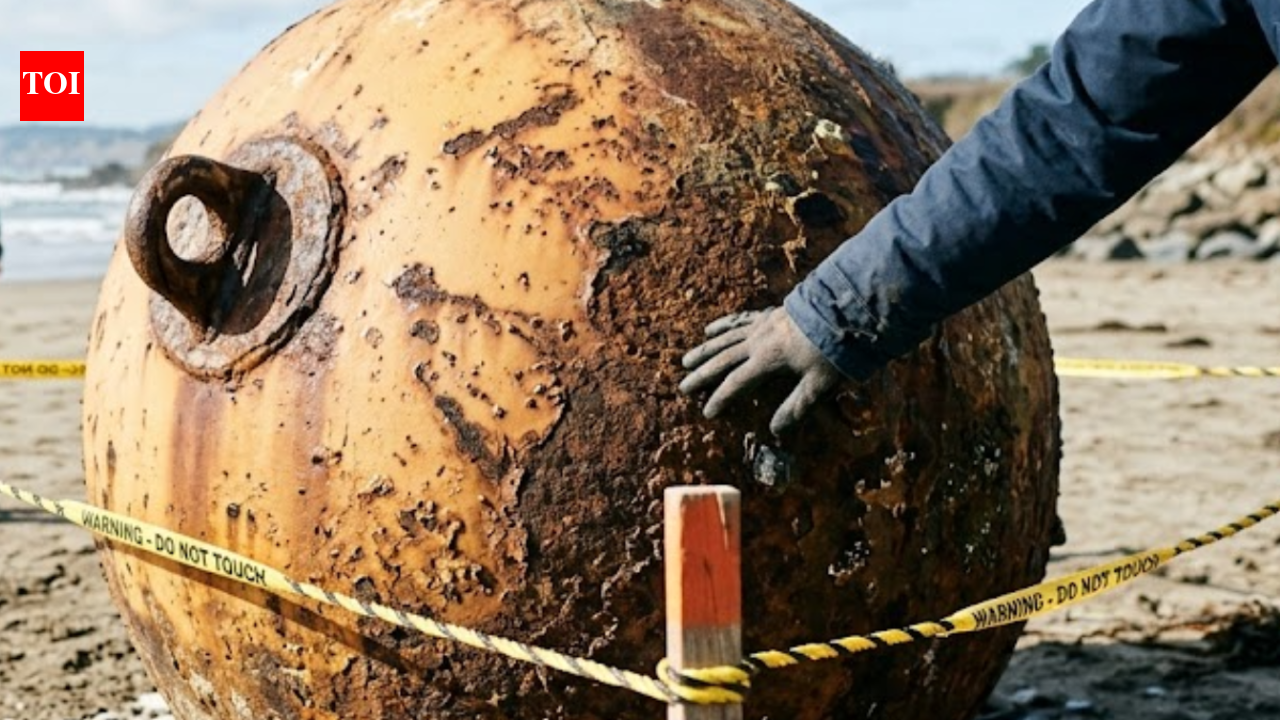
Japan Beach Mystery Sphere: Viral bomb fears end in a buoy; web panic over steel ball
A mysterious metal sphere washed ashore in Japan, sparking global panic and wild online speculation about spy devices. However, officials confirmed it was a harmless oceanographic buoy, highlighting how easily fear and misinformation spread in our hyper-connected world. The ‘threat’ will now be recycled, a stark reminder of reality versus online hype. Source link
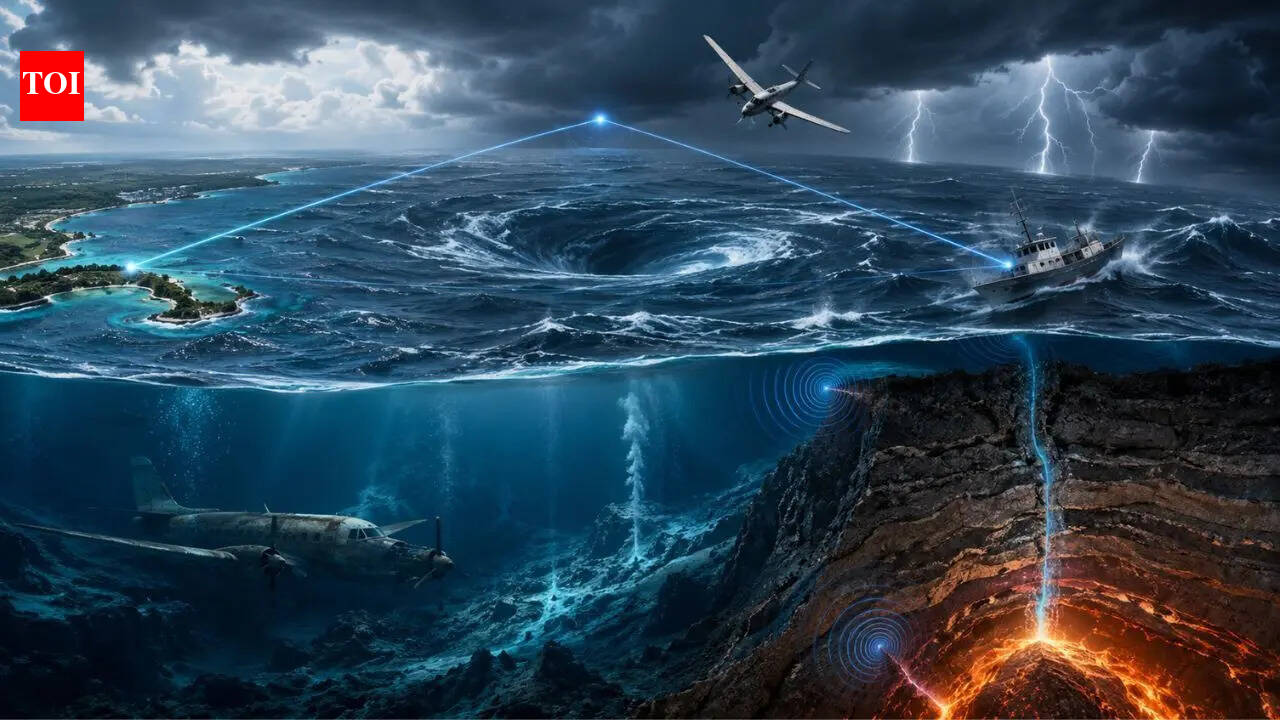
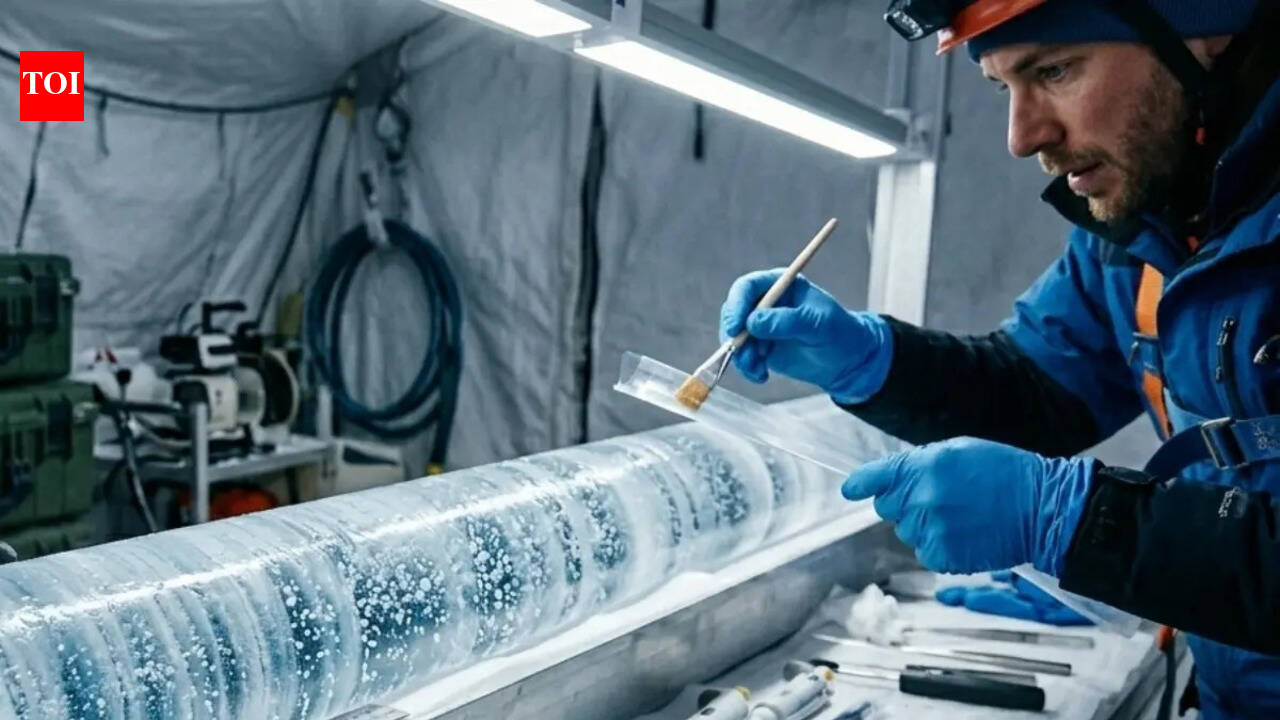
Scientists drilled into Antarctica and uncovered Earth’s oldest known air, which is rewriting climate history
Scientists are drilling deep into East Antarctica for ancient ice. This ice holds air bubbles from Earth’s past. The Beyond EPICA project aims to retrieve ice cores up to 1.5 million years old. This will reveal atmospheric changes before humans existed. The mission seeks to understand significant shifts in ice age cycles. This frozen archive […]
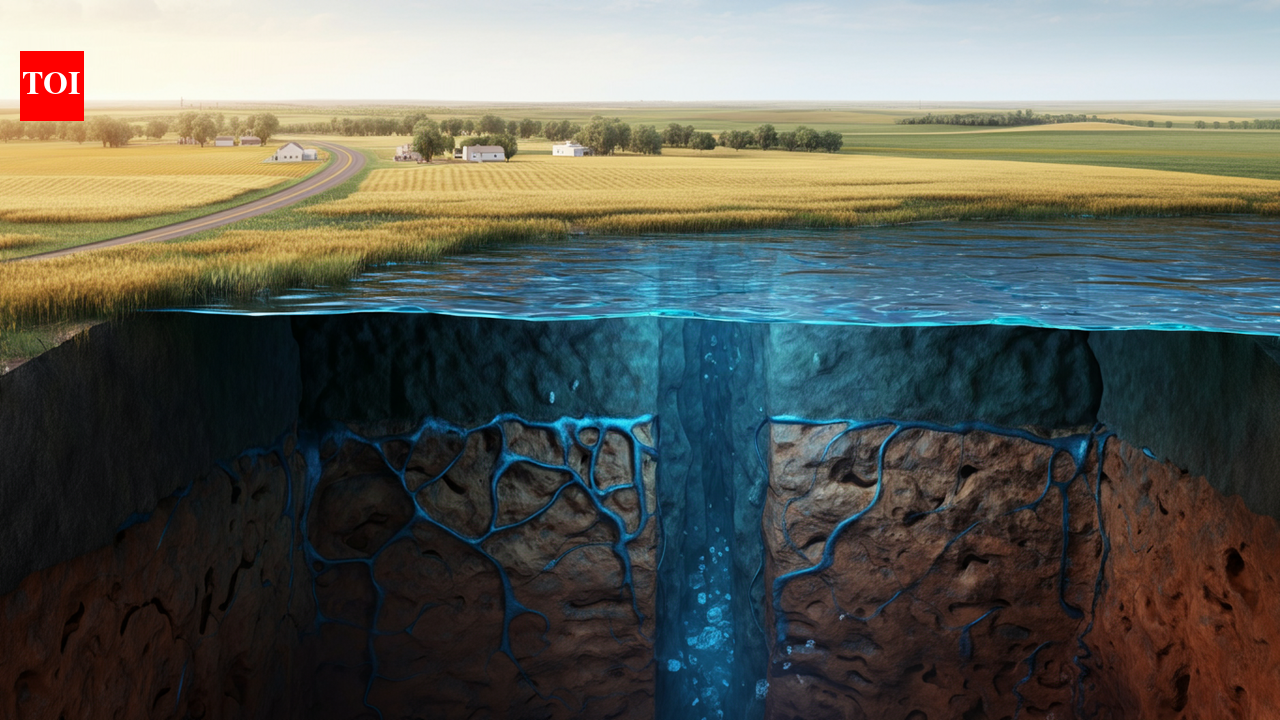
Prehistoric rain: The 1,000-foot-deep secret under the Great Plains that took millions of years to build
Beneath America’s seemingly simple Great Plains lies a colossal underground freshwater body, the High Plains aquifer, larger than California. This “invisible ocean,” primarily the Ogallala formation, sustains the region’s fertility and agriculture. However, this vital resource faces immense strain, with water levels declining rapidly in some areas, threatening the heartland’s future. Source link
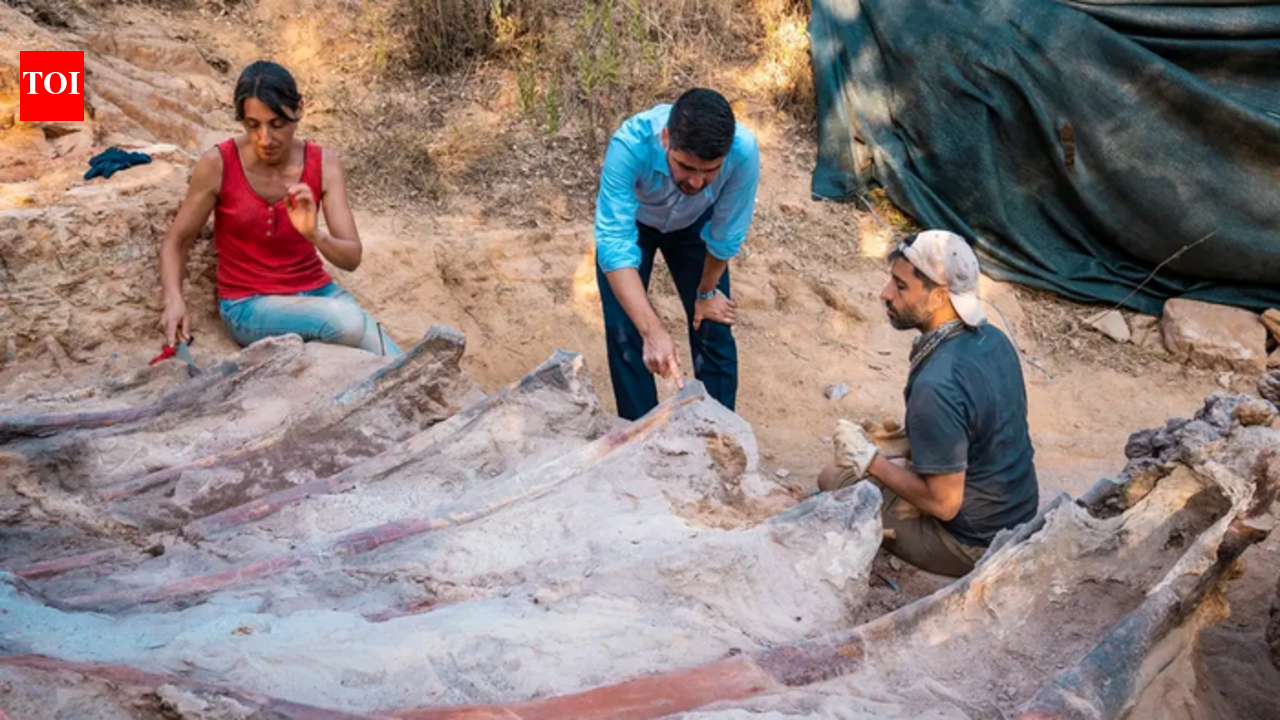
In 2017, a Portuguese man began a garden renovation and found an 82-foot dinosaur that lived 150 million years ago
Construction work in Pombal, Portugal, unearthed a colossal dinosaur skeleton. This sauropod, possibly Europe’s largest, measured 82 feet long and 39 feet high. The rib cage remained in its original position, suggesting a unique fossilization. This discovery highlights Portugal’s rich prehistoric past and the potential for ancient wonders beneath ordinary backyards. Source link
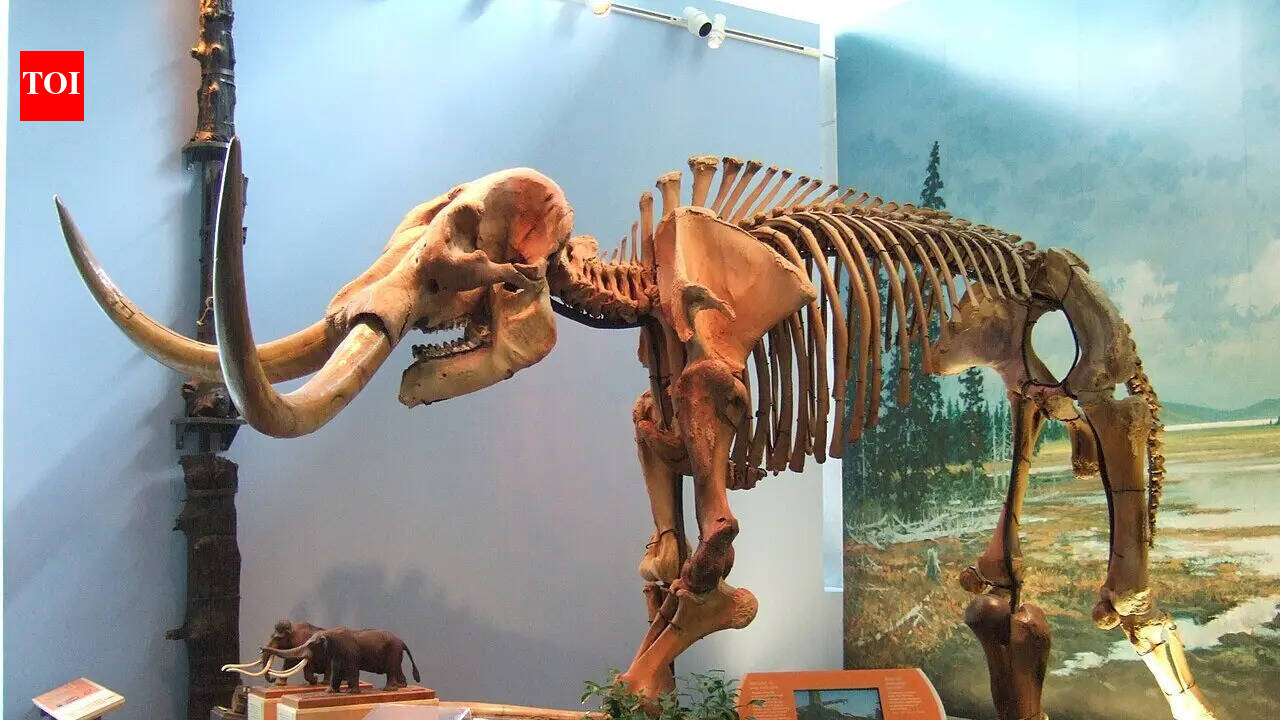
In 1799, a New York farmer's shovel hit a 'monster' tooth that triggered an American obsession with Ice Age giants
In the late 18th century, New York farmer John Masten discovered enormous prehistoric bones in marl pits. Artist Charles Willson Peale acquired these remains, embarking on a monumental effort to excavate and assemble America’s first mounted fossil exhibit. This discovery of an American Mastodon challenged European notions of American degeneracy and showcased the nation’s capacity […]
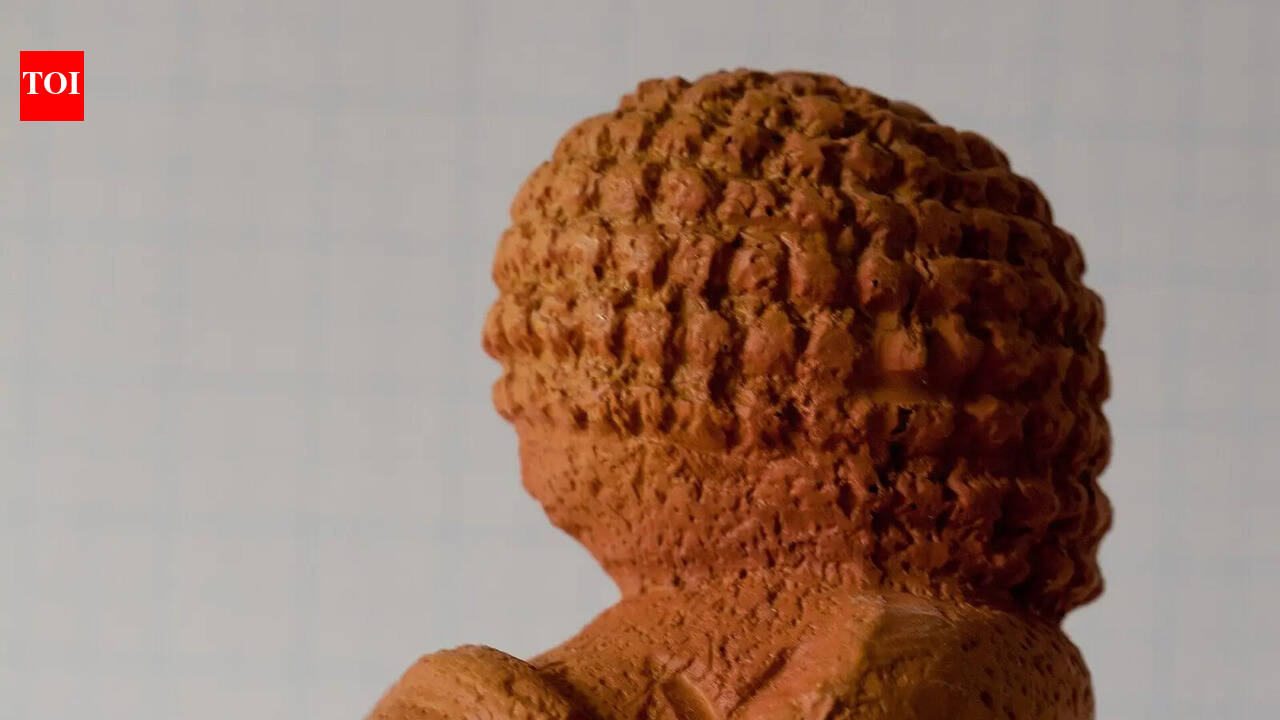
In 1908, a worker found a 'faceless' stone woman in the mud and it rewrote the history of the Ice Age
A significant ancient artifact, the Venus of Willendorf, was unearthed in Austria in 1908. This small statue, made from stone transported over 450 miles, challenges previous beliefs about Ice Age societies. New research shows its composition matches rock from Italy. The figurine’s unique features and origin highlight the advanced skills and extensive travel of Gravettian […]
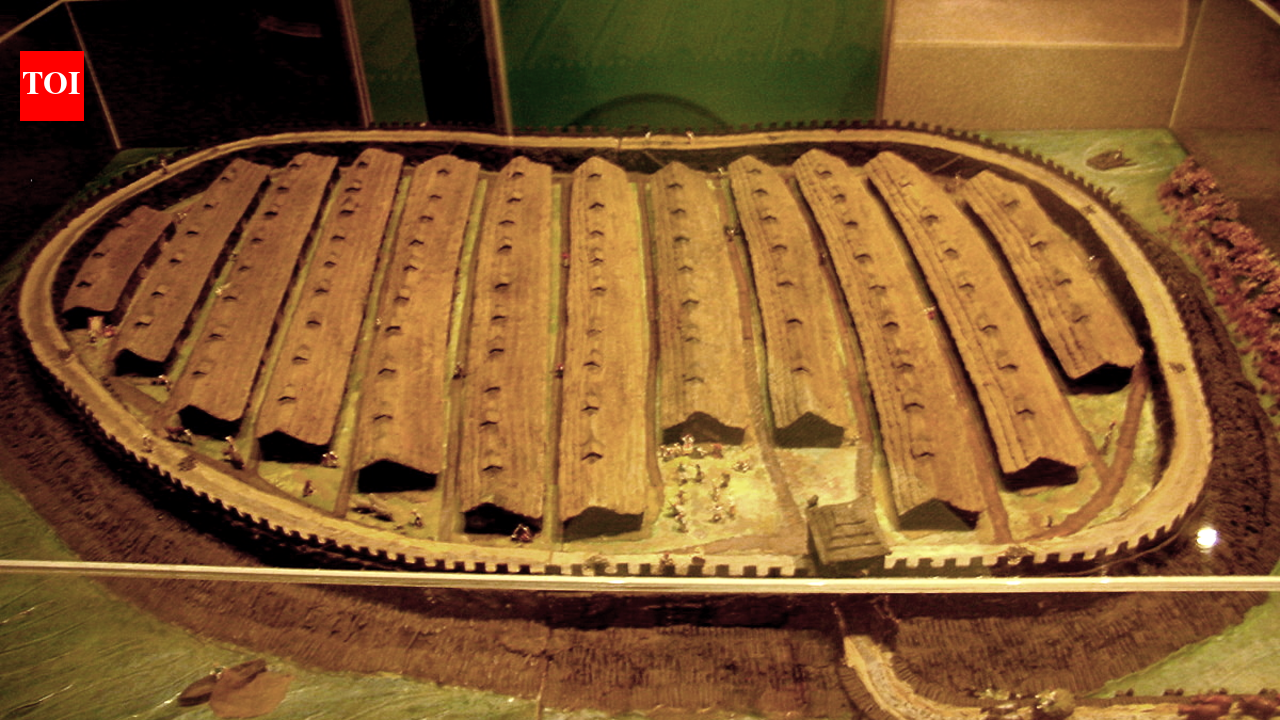
In 1933, a teacher spotted 'weird' wooden stakes in a lake that woke a 2,700-year-old sunken fortress
A chance discovery in Poland in 1933 revealed a prehistoric settlement. This ancient site, preserved for over two thousand years, showcased advanced urban planning and engineering. The settlement offered a unique glimpse into life between the Bronze and Iron Ages. Today, Biskupin stands as a significant archaeological open-air museum, reminding us of forgotten civilisations beneath […]
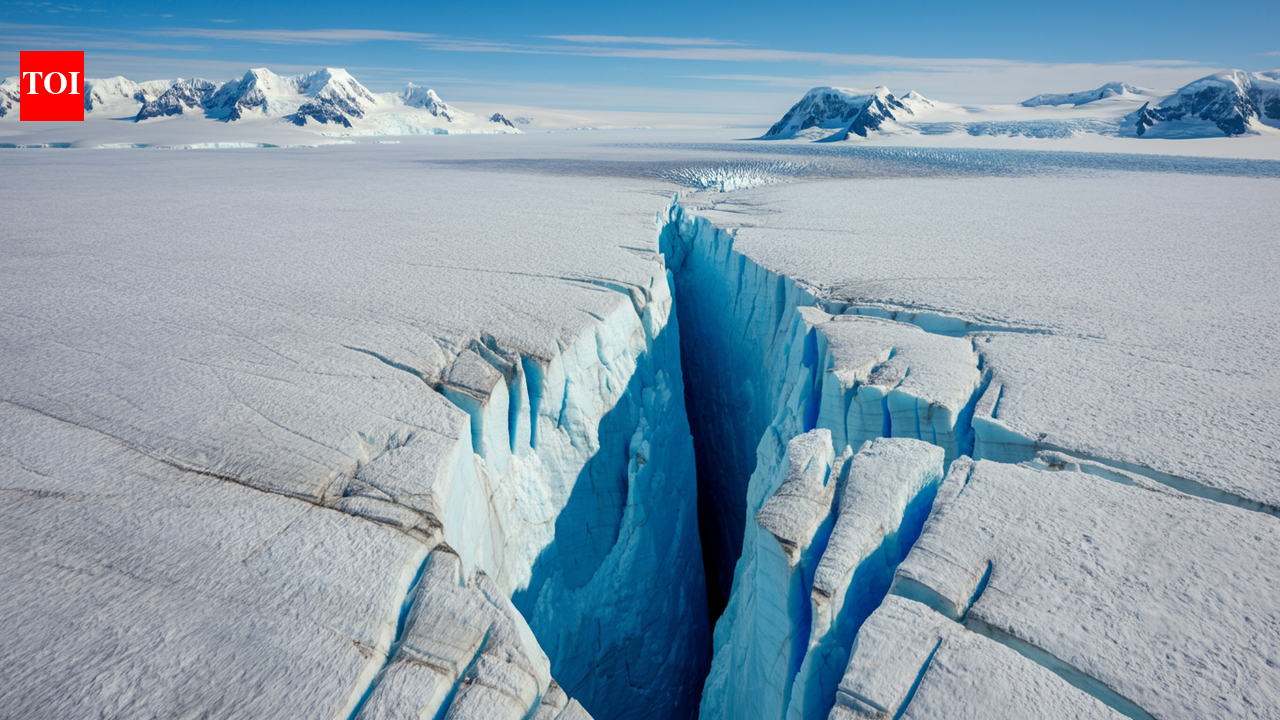
Earth's deepest point on land is not a canyon: Why the record holder is hidden under ice
Scientists have discovered the Earth’s deepest point lies beneath Antarctica’s Denman Glacier. This massive ice-filled trench is hidden under miles of ice. Its depth significantly impacts how glaciers respond to climate change. Understanding this subterranean landscape is vital for predicting future global sea levels. The discovery highlights unexplored regions on our planet. Source link